Turning homes into wellness systems: Eywa places quality of living at the forefront as UAE’s US$1.4 bn wellness real estate achieves maximum growth in MENA
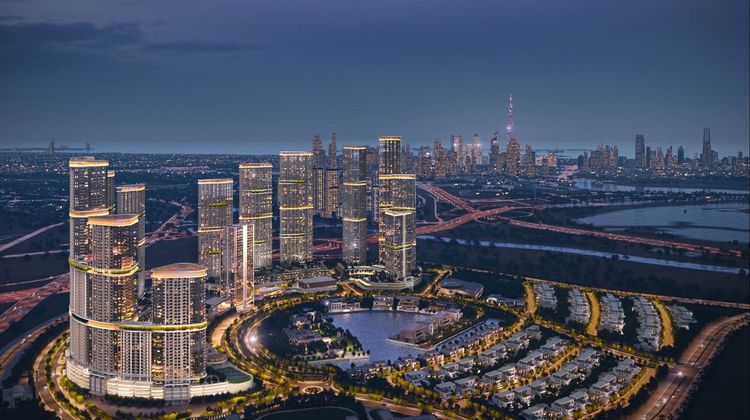
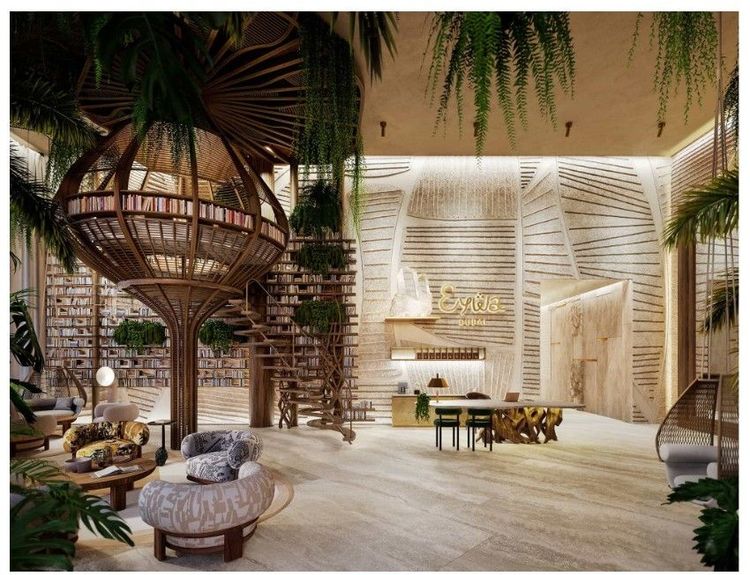
Home, generically, means a place to live. The chronological transformation of home begun from caves and trees to vertical structures that now spear the clouds. Evolution continues, as seen in the UAE, turning homes from just places of living defined by walls to havens that bolster quality of living. Some homes are pushing the spectrum even further by incorporating elements like biophilic architecture and design and sustainable technology that support rejuvenation, comfort, and holistic growth of residents. Wellness has evolved from a buzzword to a significant metric that measures the value of homes in the UAE. As per the Global Wellness Institute Report for 2025, the country saw its wellness economy grow to US$40.8 billion, the fastest in the MENA region. Wellness real estate also flourished in 2024, reaching US$1.4 billion - the highest in the region, registering an average annual growth of 22.8 percent between 2019 and 2024. The rise of the wellness real estate sector is the result of an obvious shift: buyers are becoming more discerning when choosing homes. Beyond location, price points, and the surroundings, they want to understand how the indoor environment will affect their living. They consider external factors that stimulate bodily functions, such as air, water, light, and sound. And developers are responding readily. From biophilic design and eco-friendly technologies to mood-boosting sensorial tools and fitness facilities, developments are incorporating them to meet the demand. Alex Zagrebelny, founder and CEO of R.Evolution, projected that wellness real estate, from what is being perceived as a niche, is turning into one of the most important differentiators in premium residential development. “Health-supportive design, cleaner materials, better air and water systems, and more intentional living environments will increasingly become part of buyer expectations. Globally, wellness real estate is forecast by the Global Wellness Institute to grow from US$584 billion in 2024 to US$1.1 trillion by 2029, so this is not a short-term trend; it is a structural evolution in how people define value in real estate,” he said. R.Evolution, an international boutique developer, is adopting wellness as a core concept within its Eywa-branded projects, Eywa Tree of Life and Eywa Way of Water, in Dubai. Eywa is rooted in principles of building biology, highlighting the correlation between wellness and living spaces. Through architecture and technology, it monitors and regulates air quality, water quality, light exposure, and environmental conditions – functioning as a live system that helps maintain homeostasis or equilibrium in the body. Eywa alludes to Vastu Shastra, the ancient Indian architectural heritage that takes into consideration orientation, spatial balance, flow, proportion, light, and the emotional experience of being in a space. It defines how a space is oriented, how air and light move through it, how private and social zones are balanced, and whether a home feels calming rather than stressful. A hidden 17-tonne pyramid of 1450 crystals and gemstones adorns Eywa Tree of Life, meant to balance energies within living spaces and restore harmony. The implementation of Vastu builds upon stronger evidence for the well-being benefits of many design outcomes associated with healthy buildings - daylight, indoor air quality, thermal comfort, biophilic design, reduced noise, and better environmental quality. In line with WELL standards, Eywa features a silent, energy-efficient air filtration system that sets air quality at the level maintained in hospitals. It traps particles as small as 0.003 microns, including allergens, viruses, ultrafine particles, and other pollutants. A violet light-emitting diode technology (VLED) purification within Heating, Ventilation, and Air Conditioning (HVAC) equipment neutralise bacteria, viruses, and other microorganisms, thereby eliminating the use of chemicals to clean air indoors. At Eywa, water is a “well-being enhancer”. A multi-stage filtration technology at a building-wide level turns ordinary water into liquid crystalline water, which closely resembles the water found in natural springs and living systems. A broad spectrum of contaminants are removed before water reaches residents’ homes, supporting cleaner hydration for drinking, cooking, and bathing. Two types of water are supplied: one as drinking water with a pH level of 6.5, while the second carries a more neutral pH of 7.5 – meant for showers and pools. Eywa’s pools, waterfalls, and large Alfa Omega pools on the amenity terrace are designed to transmit beneficial frequencies and light. Optimised lighting is ensured to align with the body’s internal clock, which regulates sleep. Lighting design, acoustic comfort, and spatial planning at Eywa are structured to support natural sleep cycles and healthy melatonin production, a hormone essential not only for sleep but also for immune function and cellular repair. Technologies like Wi-Fi, mobile networks, and connected devices flood homes with electromagnetic fields (EMFs). Chronic exposure of EMFs affects sleep quality and melatonin production. That’s why bedrooms are equipped with EMF mitigation strategies, including grounded placement of electrical systems, shielding materials, and low-EMF designs. They create sleeping environments where the nervous system can downshift into recovery mode, allowing the body to enter deeper restorative sleep phases and supporting long-term neurological resilience. Environmental psychology and neuroscience both show that access to nature, natural materials, daylight, and calmer sensory environments reduces stress load on the nervous system. Eywa incorporates biophilic designs layered into both common and private spaces, natural textures, water elements, and spatial coherence to create environments that signal safety to the brain. When the nervous system feels safe, the body shifts out of survival mode and into regeneration. This supports emotional regulation, mental clarity, and physiological resilience. Eywa effectively creates an infrastructure to support overall well-being and promote healthier living. However, a question remains. Much of its wellness amenities and monitoring systems use advanced technologies, thereby becoming premium features accessed by elite buyers. As demand for wellness-centric homes grows more mainstream, shouldn’t such systems be adopted by the wider market for an inclusively healthier community? Alex said, “Eywa is intentionally positioned at the ultra-luxury end of the market because it is a project where we wanted to push the model as far as possible and show what fully integrated regenerative living can look like when nothing is treated as an afterthought. But our broader view is not that wellness should remain exclusive. In time, many of the principles behind projects like Eywa should become more mainstream: better filtration, lower-toxicity materials, more thoughtful light and layout, and a clearer relationship between design and human health. “The market is already moving in that direction. What today sits in the luxury category often becomes tomorrow’s new standard. Some projects add a few ‘healthy living’ features as marketing language; Eywa was conceived around a much more integrated philosophy, where architecture, technology, materials, and experience are meant to work together. So yes, I do believe elements of this approach can become more accessible over time, but the full Eywa expression will remain intentionally distinctive.” Branded homes are seeing exponential growth in the UAE real estate. CBRE’s 2025 UAE Branded Residences report found that branded units in Dubai were commanding an average premium of around 64 percent over comparable non-branded units in the same location. When asked whether Eywa’s wellness features make it a lucrative investment asset and influence higher premiums, Alex remarked that Eywa’s appeal is not defined by its wellness features; rather its individual positioning as a project in the broader market. “There is no single market-wide formula that isolates a ‘wellness premium’ with precision, because value in a project like Eywa comes from a combination of factors: limited supply, waterfront location, design distinctiveness, brand positioning, specification depth, and the broader strength of Dubai’s prime market. That said, in Dubai, buyers are already paying meaningful premiums for differentiated branded residences,” he said. Furthermore, he projected Eywa as a unique investment addition to one’s portfolio, calling it “a highly differentiated, low-supply asset in a city with strong international demand and increasing appetite for homes that deliver a fuller lifestyle proposition.”